
How to Use Space Topics to Inspire Story Writing in KS1
Space is a powerful context for story writing because it naturally captures children's curiosity and imagination. Rockets, astronauts, planets and alien worlds provide endless opportunities for discussion, creativity and storytelling. When children are genuinely interested in a topic, they are often more willing to share ideas, take risks and engage in writing activities.
For many pupils, getting started is one of the hardest parts of writing. A familiar and exciting theme can help overcome this barrier by giving children an immediate source of inspiration. Rather than struggling to think of an idea, they can focus on developing and communicating the ideas they already have. As a result, writing feels more enjoyable, purposeful and achievable.
Story Prompts That Help Children Get Started
Simple writing prompts can help children begin quickly and avoid the common "I don't know what to write" response.
Space-themed prompts work particularly well because they provide enough structure to support young writers while leaving plenty of room for imagination.
Children might be asked to imagine:
- A rocket journey to the Moon
- An alien visitor landing in the school playground
- A mission to collect lost stars
- A child waking up on a mysterious planet
- A spaceship that has run out of fuel in deep space
- A friendly alien searching for a new home
These prompts can be used for whole-class discussion, oral storytelling, group work or independent writing. Because they encourage imagination and problem-solving, they often lead to rich conversations before any writing begins.
You could also invite children to invent their own planet, design an alien character or create a new type of spacecraft. Giving children ownership over part of the story can increase engagement and make their writing feel more personal.
Using Visual Prompts to Generate Ideas
Visual prompts are one of the most effective ways to support story writing in KS1. A picture of a rocket launch, an astronaut on a distant planet or a strange alien creature immediately gives children something to talk about and describe.
Before writing, children can discuss: 
- What they can see
- What might be happening
- How the characters are feeling
- What could happen next
These conversations help pupils develop vocabulary and organise ideas before they are expected to write. Visual prompts are particularly valuable for early writers, as well as SEND and EAL learners, because they provide a clear starting point and reduce the pressure of generating ideas independently.
When children have something concrete to discuss, writing often becomes much easier.
Building a Story with a Beginning, Middle and End
Many children have imaginative ideas but need support organising them into a complete story.
A simple story map can help pupils structure their thinking by dividing the story into three clear sections:
Beginning
Introduce the main character and setting.
For example:
"An astronaut was getting ready to launch into space."
Middle
Introduce a problem, challenge or exciting event.
For example:
"The astronaut became lost among the stars and discovered a mysterious planet."
End
Resolve the problem or conclude the adventure.
For example:
"The astronaut found a way home and brought back a new alien friend." 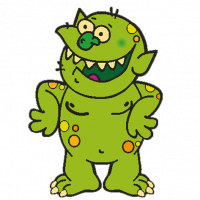
This simple structure helps children understand how stories are organised and gives them a framework for developing their own ideas.
Supporting Children with Vocabulary and Sentence Starters
Some children have lots of ideas but struggle to begin writing them down. Sentence starters can provide a useful bridge between thinking and writing.
Examples might include:
- First...
- Suddenly...
- In the dark sky...
- As the astronaut explored...
- Without warning...
- At last...
These opening phrases help children get started while modelling the language commonly used in storytelling.
Vocabulary support can also make a significant difference. Useful space-related words might include:
- rocket
- astronaut
- planet
- galaxy
- orbit
- launch
- explore
- alien
- crater
- stars
Children can then be encouraged to expand their ideas using descriptive language such as:
- shining silver rocket
- glowing green planet
- deep dark space
- sparkling stars
- mysterious alien visitor
Providing rich vocabulary gives children more tools to express their ideas and often leads to more detailed, engaging writing.
Supporting SEND and EAL Learners
An effective writing lesson should allow every child to participate successfully.
For SEND and EAL learners, additional scaffolds can help make story writing more accessible without lowering expectations.
Useful supports include:
- Visual prompts
- Oral rehearsal
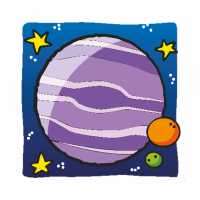
- Picture vocabulary banks
- Sentence stems
- Paired talk
- Shared writing
- Story maps
Children can discuss ideas before writing, rehearse sentences aloud and return to visual supports whenever needed.
For EAL learners, repeated exposure to vocabulary and sentence structures can be particularly beneficial. Hearing, saying and using language before writing allows pupils to develop confidence while still engaging with the same exciting story context as their peers.
The aim is always to support language while keeping the thinking ambitious.
Making Story Writing More Engaging Through Hands-On Learning
Many children learn best when they can manipulate and explore ideas physically.
Hands-on resources can make story writing more active and memorable by allowing pupils to organise ideas, move images and construct sentences before writing.
When children engage with learning in a tactile way, they often:
- Stay focused for longer
- Participate more confidently
- Generate more ideas
- Develop a stronger understanding of sentence structure
Practical approaches can be especially helpful for pupils who find writing difficult because they reduce the abstract nature of storytelling and make ideas easier to organise.
A Simple KS1 Story Writing Activity
One effective activity begins with a picture of a rocket preparing for launch.
First, discuss the image as a class and encourage children to share observations and ideas.
Next, introduce a simple story challenge:
"What happens when the rocket lands on a mysterious planet?"
Children can then use a story map to plan:
- Who the character is
- Where they travel
- What problem they face
- How the adventure ends
Provide a small word bank and a few sentence starters to support writing.
A finished response might look like this: 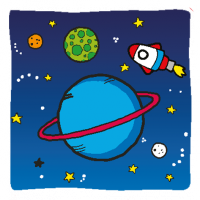
"First, Mia climbed into the silver rocket. Suddenly, she spotted a tiny green alien hiding behind a moon rock. The alien was lonely, so Mia shared her last star biscuit. At last, they flew home together beneath the sparkling stars."
This type of task is manageable for young writers while still encouraging creativity, vocabulary development and storytelling skills.
How Mighty Writer Can Support Story Writing
Mighty Writer can make story writing more accessible by helping children organise their ideas visually before they write.
Using picture tiles, sentence clouds and symbols, children can build and rehearse sentences before recording them independently. This helps bridge the gap between talking and writing while giving pupils a clear structure to follow.
The visual and tactile approach supports:
- Vocabulary development
- Oral rehearsal
- Sentence construction
- Story sequencing
- Independent writing
Because children can physically manipulate ideas and sentence parts, they are often more confident about experimenting with language and developing their stories.
For teachers, the structured approach provides a consistent framework that can be used across different writing topics, including space-themed stories.
Learn More About Mighty Writer
Helping Children Become Confident Story Writers
The best writing lessons begin with strong ideas and meaningful opportunities for children to talk, imagine and create.
A space theme provides an engaging context, but the real success comes from combining exciting prompts with visual support, oral rehearsal and clear story structure. When children have help generating ideas, organising their thinking and building sentences, they are much more likely to experience success.
Whether pupils are writing about rockets, astronauts or alien adventures, the goal remains the same: helping children develop the confidence, vocabulary and storytelling skills they need to become successful writers.
Read our Other Blogs
Writing in EYFS: Transforming Picture Stories into Independent Expression
Empowering Every Child: 3 Proven Tips for a Transformative Start to Writing
10 Engaging Literacy Activities for Early Readers